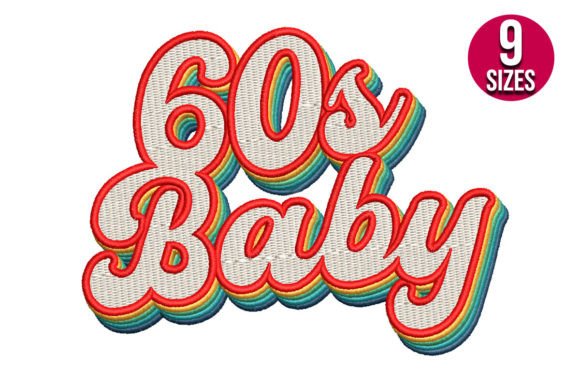
60 s Baby: A Craft Fair Designer Review
As I set up my table for the upcoming weekend craft fair, the pressure to curate a collection that stops shoppers in their tracks is real. My booth needs a mix of timeless classics and trending nostalgia. Today, I am reviewing a specific machine embroidery design called 60 s Baby. This Retro Birthday Embroidery Design promises to be a versatile asset for home decor, clothes, accessories, and even bedsheets. But does it translate from a digital file into a high-selling craft fair product? Let's dive into the practicalities of turning this embroidery file into a profitable reality.
First Impressions: Nostalgia Meets Market Appeal
The moment I load the preview of 60 s Baby, the aesthetic hits me immediately. It screams mid-century charm with a modern twist. The design feels bold yet playful, perfectly capturing that "farmhouse-chic" vibe that dominates current handmade markets. For an Etsy seller or boutique maker, this isn't just a pattern; it is a mood. It suggests warmth, family heritage, and a touch of humor without being cheesy. When I imagine this on a finished product, it feels premium and decorative rather than generic. The retro typography and imagery inherent in the title suggest a design that will photograph beautifully for online listings while standing out against the sea of floral patterns often found at local fairs.
Product Potential: Where Does 60 s Baby Shine?
When preparing my inventory, I need to know exactly which items will carry this design best. Based on the description suggesting home decor and accessories, here is how I plan to deploy 60 s Baby:
- Tote Bag Design: A canvas tote bag is the ultimate carrier for this look. Placing 60 s Baby centrally on a natural cotton tote creates an instant statement piece. Shoppers love reusable bags that double as fashion accessories, and the retro theme fits perfectly with the eco-friendly ethos of many craft fair attendees.
- Apron Embroidery: Kitchen aprons are a staple for handmade shops. Stitching this design on the bib of a linen apron adds a whimsical touch to a functional item. It appeals to parents who want to celebrate their child's milestone or simply love vintage aesthetics.
- Tea Towel Embroidery: While delicate, tea towels offer a great surface for smaller versions of the design. However, one must be careful with the fabric texture. A tightly woven cotton works best to ensure the stitches sit flat and clear.
- Embroidered Patch: Creating a series of patches allows for variety. Customers can buy them to sew onto denim jackets, backpacks, or hats. This lowers the price point, making it an accessible impulse buy at the booth.
- Pillow Covers and Small Pouches: These items serve as excellent gift options. A small pouch with 60 s Baby embroidered on the front makes a perfect party favor or baby shower gift, directly tapping into the Birthdays category.
Production Realities: Stitch Density and Fabric Choice
Before I commit to a batch run, I must address the technical side of commercial embroidery. The description mentions the design comes with multiple files, which is crucial for scaling. However, every designer knows that what looks good on a screen can struggle on textured fabrics.
I plan to test the design on scrap fabric first. One major concern with retro designs is the potential for dense stitch areas, especially if the lettering is intricate. If the stitch density is too high, the backing might pucker, ruining the professional look of the finished product. I will also check the thread colors to ensure they pop against the chosen background. For example, using a dark navy thread on a light beige tote bag offers excellent contrast, whereas similar tones might make the design disappear at a glance.
Fabric texture plays a huge role here. On thick fabrics like denim or heavy canvas, the design holds its shape well. On softer materials like jersey or thin pillowcases, I will need to use a strong stabilizer to prevent distortion. Additionally, if I attempt to put this on a curved cap surface, I must ensure the design is not too wide, or it will warp. The hoop size must match the machine capabilities and the garment dimensions. If the design requires a large hoop but I am working with a small shop product like a keychain, I may need to resize it carefully to avoid losing clarity.
Critical Considerations for Quality Control
There are specific pitfalls to watch for when producing 60 s Baby at scale:
- Small Lettering: Retro fonts often have serifs or curves that can get lost if the design is scaled down too much. I will avoid using this on very small items unless I confirm the details remain legible.
- Dense Areas: If the design includes solid fills, I need to ensure the tear-away stabilizer is appropriate so the back doesn't feel stiff.
- Dark Fabrics: If selling on black or dark blue items, a white underlay is essential to make the colors vibrant. Without it, the retro charm fades into the background.
- Batch Production: Is the design repeatable? Yes, if the setup time is low. I will create a template for hooping to speed up production during busy market days.
Maximizing Visual Appeal and Sales
The success of 60 s Baby ultimately depends on how it engages the customer. In a crowded booth, visual appeal is currency. This design has the power to increase product value because it feels curated and thoughtful. It tells a story. When a customer sees a tote bag with this digital embroidery file stitched on it, they aren't just buying a bag; they are buying a piece of nostalgic art.
For online sales, creating a printable mockup is vital. I will photograph the actual embroidered samples in natural light to show the texture and depth of the stitching. High-quality photos that highlight the design assets will drive clicks on Etsy. Consistency is key; if I sell this on totes, aprons, and pillows, my brand identity becomes cohesive. Customers recognize the style and trust the quality.
Final Checklist for the Creative Entrepreneur
Before you start stitching 60 s Baby for your next market day, run through this quick checklist to ensure a smooth operation:
- Test Run: Always embroider a sample on the exact fabric you intend to sell.
- Stabilizer Check: Confirm you are using the right cutaway or tear-away stabilizer for the fabric weight.
- Licensing: Double-check the commercial license terms included with the embroidery file to ensure you are cleared to sell finished goods.
- Color Matching: Compare thread colors against your fabric swatches before starting a full run.
- Mockups: Create at least one physical mockup for each product type to verify the final look.
In conclusion, 60 s Baby is a strong contender for any handmade product line focused on retro themes and celebratory moments. With careful attention to stitch density, fabric choice, and presentation, this design can become a best-seller for craft fair sellers and boutique owners alike. It bridges the gap between nostalgia and modern utility, offering a unique opportunity to stand out in a competitive market. Whether you are a seasoned embroidery business owner or a new crafter, this design offers the versatility needed to build a memorable collection.