Pick and Shovel: A Boutique Sweatshirt Design Review
As an embroidery designer who has spent years curating collections for small boutique brands, I approach every new machine embroidery design with a critical eye. Today, I am reviewing the Pick and Shovel design to determine if it is robust enough for a premium sweatshirt drop. This isn't just about downloading an embroidery file; it is about visualizing how this specific Work and Occupation themed asset translates from a digital preview into a tangible, high-quality finished product. For Etsy sellers and creative entrepreneurs looking to elevate their custom apparel line, understanding the nuance of a design like Pick and Shovel is the difference between a generic listing and a brand-defining piece.
First Impressions: Mood and Layout Analysis
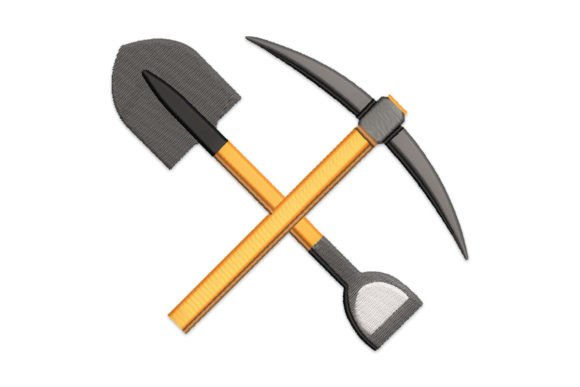
When I first opened the preview for Pick and Shovel, the immediate impression was one of rustic charm mixed with modern utility. The layout suggests a balanced composition, likely featuring the tools crossed or arranged in a way that creates a strong silhouette. In the world of sweatshirt embroidery, silhouettes are king. Because sweatshirts have a textured surface, designs with too much fine detail can get lost in the fabric weave. However, Pick and Shovel appears to strike a balance between decorative flair and bold lines, making it a versatile candidate for various aesthetics.
The mood feels inherently grounded yet playful. It evokes a sense of craftsmanship, hard work, and perhaps a touch of "get your hands dirty" energy. This makes it perfect for a boutique brand targeting customers who appreciate artisanal vibes, DIY culture, or outdoor lifestyles. Whether you are aiming for a feminine twist with pastel thread colors or a rugged look with earth tones, the underlying structure of Pick and Shovel seems flexible enough to adapt without losing its identity.
Visualizing the Design on Premium Apparel
To truly test the viability of Pick and Shovel, I need to visualize it on different fabric types and placements. Imagine a heavy-weight, heather grey crewneck sweatshirt. Placing this design on the left chest creates an instant badge of honor—a subtle nod to labor and skill. The contrast of white or cream thread against the grey would make the tools pop, ensuring high visibility even from a distance.
Now, consider a dark charcoal or navy oversized hoodie. Here, the thread color contrast becomes crucial. Using metallic gold or bright orange threads for the handles could transform the design from simple to statement-making. The stitch density must be carefully managed here; dark fabrics often require slightly more fill stitches to prevent the black backing from showing through, which can dull the vibrancy of the design. If the Pick and Shovel file allows for adjustable density, it will be a game-changer for achieving that premium, raised look that luxury streetwear brands are known for.
For a seasonal collection, think about pastel pinks or sage greens. On these softer backgrounds, Pick and Shovel takes on a whimsical, almost cottage-core aesthetic. It shifts from "construction gear" to "garden art," expanding its marketability beyond just construction workers to gardeners, florists, and home decor enthusiasts. This versatility is exactly what small shop products need to maximize inventory turnover across different seasons.
Placement Strategies for Maximum Impact
- Chest Placement: Ideal for branding. Keeps the design intimate and personal, perfect for a logo-like application.
- Sleeve Accents: A smaller version of Pick and Shovel on the cuff adds a subtle detail that catches the eye during movement.
- Back Center: For a bold statement, a larger scale on the back of a hoodie turns the garment into a wearable billboard for your handmade product.
- Hood Back: A trendy placement that keeps the front clean while adding surprise detail when the hood is up.
Technical Considerations for Commercial Use
While the visual appeal is strong, the technical execution is where many digital sellers stumble. Before committing to a production run, I always scrutinize the stitch density and hoop size requirements. Sweatshirt fleece is thick and prone to shifting. If the Pick and Shovel design is too dense, it can cause puckering, ruining the drape of the garment. Conversely, if it is too sparse, the stabilizer might show through, giving a cheap appearance.
Choosing the right stabilizer is non-negotiable for commercial embroidery on sweatshirts. A cut-away stabilizer is usually best for the durability required by frequent washing. Since this design involves tools, sharp angles and straight lines are likely present. These areas are prone to under-stitching if the machine tension isn't dialed in correctly. As a designer, I would recommend running a test stitch on a scrap piece of the exact fabric you plan to use. Check the fabric texture interaction; does the needle skip? Does the thread lay flat?
Another critical factor is small-size readability. If you plan to downscale Pick and Shovel for a pocket patch or sleeve, ensure the details don't blur together. The distinction between the pick and the shovel must remain clear. If the embroidery file includes multiple sizes, that is a massive advantage. If not, verify that the vector quality holds up when resized before you start sewing.
Enhancing Brand Identity and Product Value
Incorporating a well-executed design like Pick and Shovel significantly boosts perceived value. Customers today are savvy; they can tell the difference between a printed graphic and a high-quality embroidered piece. Embroidery implies longevity and care. When a buyer sees the texture of the thread catching the light on their new hoodie, it reinforces trust in your boutique brand.
For Etsy listings, this design offers excellent opportunities for printable mockup photography. You can create lifestyle shots showing the sweatshirt being worn while gardening, working on a project, or simply enjoying a cozy coffee. The narrative behind the design—"celebrating the worker"—resonates deeply with consumers who value authenticity. It transforms a basic sweatshirt into a story-telling garment.
Furthermore, using Pick and Shovel helps establish a cohesive visual identity. If your brand focuses on handmade goods, local sourcing, or craftsmanship, this motif aligns perfectly. It acts as a visual shorthand for your values. Consistency in your design assets across t-shirts, tote bags, and now sweatshirts builds customer engagement and brand recognition.
Final Verdict for the Creative Entrepreneur
After a thorough review, Pick and Shovel proves to be a strong contender for any apparel decorator or handmade business owner looking to expand their catalog. Its ability to shift between rustic, bold, and cute depending on color choices makes it a highly adaptable asset. However, success lies in the details. Do not rush the setup. Pay close attention to thread colors relative to your fabric palette, select the appropriate stabilizer, and always test stitch.
Remember, the description mentions this design comes with multiple options, but always double-check the specific file format compatibility with your machine software before purchasing. Ensure the hoop size fits your equipment and that the stitch count aligns with your production timeline. With proper execution, Pick and Shovel can become the cornerstone of a successful, limited-edition drop that resonates with your audience and elevates your brand's reputation in the competitive world of custom apparel.