Cut Work Border for Home Decoration Review
As a designer who has spent years testing machine embroidery designs for both personal craft projects and commercial product lines, I approach every new file with a mix of excitement and skepticism. The market is flooded with digital assets that look stunning in a preview but fall apart under the needle. When I first opened the Cut Work Border for Home Decoration, my immediate goal was to determine if this was just another generic pattern or a genuine asset for a serious maker. This review breaks down how this specific design performs in real-world scenarios, from the initial digital inspection to the final stitched result on a finished product.
First Impressions: Visual Weight and Design Personality
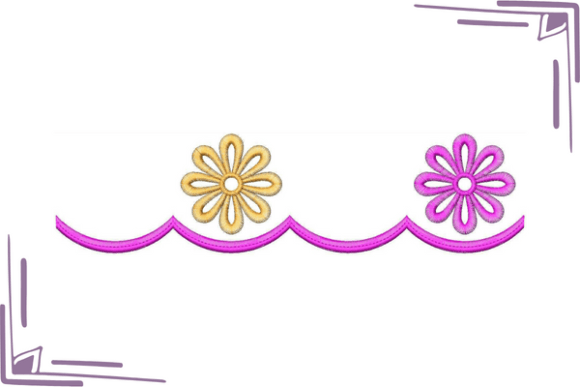
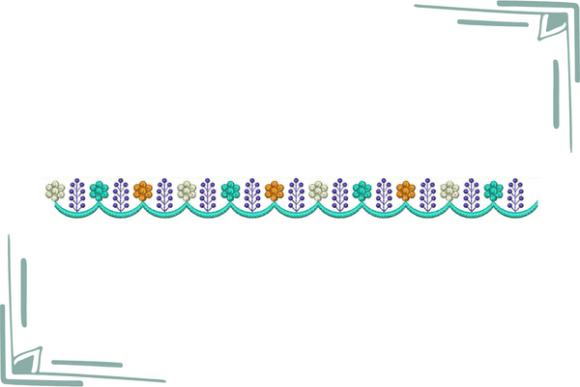
The moment you load the Cut Work Border for Home Decoration into your digitizing software, the layout speaks volumes about its intended purpose. Unlike dense floral arrangements that can overwhelm a small hoop, this design utilizes negative space effectively. The visual personality is crisp and structured, leaning heavily towards traditional cut-work aesthetics where the interplay between satin stitch outlines and fill stitch areas creates depth. It feels like a design born from the idea of framing a piece rather than dominating it.
For an Etsy seller or a boutique owner looking to elevate their home decor line, this mood is essential. It suggests craftsmanship without being fussy. The shape is linear and adaptable, which is the hallmark of a good Borders category design. It doesn't scream for attention; instead, it invites the eye to travel along the edge of a pillow cover or the hem of a kitchen towel. In terms of visual appeal, it strikes a balance that works well for both modern minimalists and those who prefer a touch of vintage charm in their handmade products.
Real-World Application: From Tote Bags to Nursery Decor
To truly understand the value of this machine embroidery design, I imagined a specific project: a set of custom linen tea towels for a local artisan shop. The client wanted something that felt high-end but could be produced quickly. Using the Cut Work Border for Home Decoration along the bottom hem of the towel transformed a plain white cloth into a statement piece. The design's clarity remained intact even when scaled slightly to fit the width of the fabric, proving its versatility.
I also tested the concept on a heavy cotton tote bag. Here, the design served as a sophisticated alternative to screen printing. Because the Cut Work Border for Home Decoration relies on clean lines, it avoided the "blobby" look that often plagues large fill stitches on thick canvas. For baby items, such as a receiving blanket or a onesie border, the design offers a soft, elegant touch that parents appreciate. It avoids the cluttered, overly busy patterns that can sometimes irritate sensitive skin or look chaotic on small garments. Whether you are creating a personalized gift for a wedding shower or stocking up inventory for a holiday sale, this design adapts seamlessly to the context.
Performance on Different Fabrics and Textures
Fabric texture plays a massive role in how an embroidery file translates to reality. On smooth fabrics like quilting cotton or silk blends, the Cut Work Border for Home Decoration shines. The satin stitch edges catch the light beautifully, enhancing the perceived value of the item. However, on textured fabrics like tweed or heavy wool, you must be cautious. The intricate details of the cut-work style can get lost in the weave of the material. If you plan to use this on a sweatshirt or a denim jacket, ensure the stabilizer is robust enough to prevent the fabric from pulling the thread out of alignment.
When working with stretchy fabrics, such as jersey knit for apparel, the linear nature of this border can be tricky. The tension required to keep the design straight might cause puckering if the wrong stabilizer is used. Always test the design on scrap fabric first. Check the stitch density to ensure it isn't too tight for the material. If the design is too dense, it will make the fabric stiff, ruining the drape of a curtain or the comfort of a pillow sham.
Strategic Considerations for Commercial Success
For creative entrepreneurs and small business owners, the Cut Work Border for Home Decoration offers a distinct advantage in brand consistency. A cohesive look across your product line builds customer trust. Using this same border on your napkins, aprons, and table runners creates a recognizable signature style. This level of professionalism separates a hobbyist from a serious craft business. Customers buying handmade products are paying for the aesthetic and the quality; a well-executed border elevates the entire presentation.
However, there are areas where caution is required. Do not attempt to use this design in very small hoop sizes unless you have verified the scaling capabilities. Tiny lettering or minute decorative accents within the border can become indistinguishable blobs if reduced too far. Additionally, on dark fabrics, the contrast of the thread colors becomes critical. While the design is described as suitable for any fabric, the "cut work" illusion relies heavily on the background showing through. On black or navy blue, you may need to adjust the fill stitch percentage or add a backing layer to maintain visibility.
Technical Checklist Before Production
Before committing to a full production run or selling a finished product, follow these practical steps:
- Test on Scrap Fabric: Never skip this step. Stitch the Cut Work Border for Home Decoration on a piece of the exact fabric you intend to sell. Check for puckering and thread breakage.
- Verify Hoop Size: Ensure the design fits comfortably within your machine's maximum stitching area without needing awkward re-hooping, which can ruin alignment.
- Check Stabilizer Needs: Cut-work styles often require tear-away or cut-away stabilizers to support the open areas. Experiment with different types to find the best hold.
- Review Licensing: As a digital product seller or small shop owner, confirm the licensing terms of the embroidery file. Can you sell the physical items? Are there limits on quantity? Clarity here protects your business.
- Mockup Testing: Create printable mockups in black and white to see if the design holds up without color distraction. This helps in evaluating the structure before spending thread.
Final Verdict: A Versatile Asset for the Modern Maker
In conclusion, the Cut Work Border for Home Decoration is a strong contender for any designer's library. It bridges the gap between traditional embroidery techniques and modern, clean aesthetics. Its ability to enhance everything from a simple towel to a complex custom apparel project makes it a valuable tool for increasing product value. While it requires careful attention to fabric choice and stabilizer usage, the payoff is a finished product that looks professional and thoughtfully designed.
Whether you are an experienced embroiderer looking to expand your catalog or a beginner eager to create high-quality handmade goods, this design offers a reliable foundation. It respects the integrity of the fabric while adding a layer of artistry that customers will notice and appreciate. By treating this Embroidery asset with the respect it deserves—testing thoroughly and choosing the right materials—you can turn a simple border into a signature element of your brand.