Simple Border: A Professional Embroidery Review
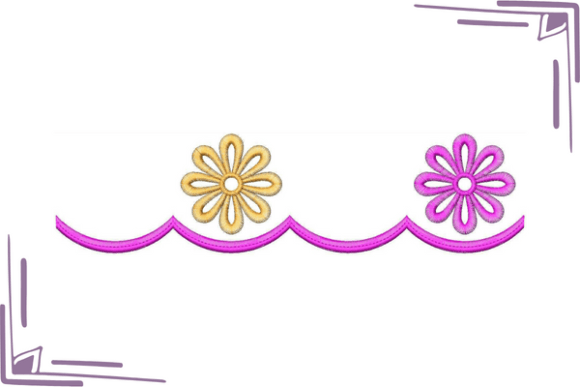
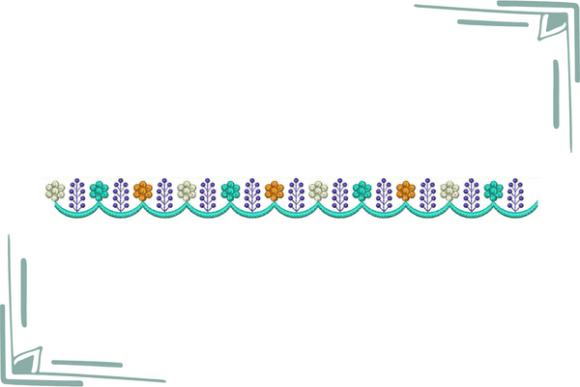
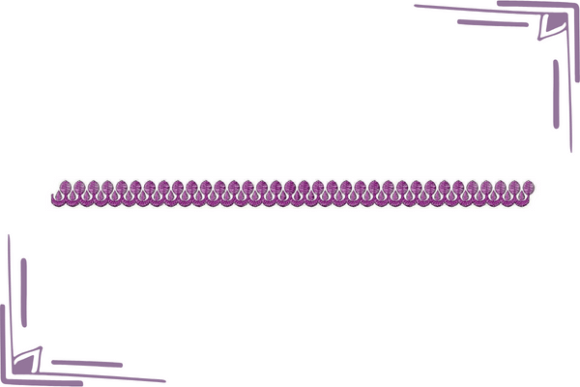
As an embroidery designer who has spent years translating brand visions into tangible threads, I approach every new digital file with a critical eye. When small business owners and merch creators reach out for advice on their next branding project, they often look for designs that strike a balance between aesthetic appeal and commercial viability. Today, I am reviewing the Simple Border machine embroidery design. This piece is marketed as a versatile element suitable for pillows, towels, apparel, and home decor, promising a colorful look on any fabric. But does it hold up under the scrutiny of a professional production environment? Let's dive into how this specific design asset performs when applied to real-world business scenarios.
First Impressions: Visual Personality and Brand Fit
The first thing you notice about the Simple Border is exactly what the name suggests: simplicity. In the world of custom apparel and branded merchandise, less is often more. Unlike complex, high-stitch-count logos that can overwhelm a garment or cause puckering issues, this design offers a clean, unobtrusive frame. Visually, it feels friendly yet professional. It lacks the rigid formality of a corporate seal but avoids the chaotic nature of overly decorative patterns. This makes it an excellent candidate for brands that want to convey a handmade, artisanal, or boutique vibe without sacrificing a polished finish.
For a local café, a florist, or a creative studio, this border acts as a subtle accent rather than a loud statement. It suggests attention to detail. When placed correctly, it frames content—whether that is text, a logo, or negative space—creating a sense of completeness. The design's ability to work with "any fabric" implies a stitch structure that is likely forgiving, which is a crucial factor when dealing with varying fabric textures common in small business merch.
Real-World Application: From Patches to Uniforms
The true test of any embroidery file is its versatility across different product categories. Here is how I see the Simple Border performing in a commercial setting:
- Embroidered Patches: This is perhaps the strongest use case. A simple border provides a perfect edge for a woven or embroidered patch. It defines the perimeter, making the patch look finished and intentional. For a pet brand or a handmade shop selling tote bags, adding a patch with this border elevates the perceived value of the item instantly.
- Staff Uniforms and Aprons: Consider a bakery or a boutique where staff wear aprons. Placing the Simple Border around a chest pocket or along the hem of an apron adds a layer of professionalism. It turns a plain cotton garment into part of the brand identity. Similarly, on work shirts, it can frame a sleeve logo, creating a cohesive look for the entire team.
- Cap Embroidery: Caps are challenging due to their curved surface. A complex design can distort easily, but a simple border often adapts well. It can be used to encircle a small logo on the front panel or run along the brim, provided the stitch density is managed correctly.
- Tote Bag Design: For eco-friendly businesses, tote bags are essential marketing tools. Using this border to frame a central message or logo on a canvas tote creates a balanced composition that stands out in a crowd.
- Product Packaging Accents: Beyond apparel, this design works beautifully on fabric gift bags or drawstring pouches. It adds a touch of luxury to packaging, encouraging customers to reuse the bag, thereby extending your brand's visibility.
Strategic Considerations for Business Use
While the Simple Border is versatile, there are specific scenarios where caution is required. As a designer, I always advise clients to evaluate the limitations before committing to a bulk order.
Sizing and Scale
This design should not be shrunk too aggressively. If you are using it for tiny lettering accents or micro-patches, the stitches may become indistinguishable, leading to a muddy appearance. Always check the minimum recommended size in the digital file documentation. On cap fronts, ensure there is enough room so the border does not interfere with the curvature of the hat.
Fabric Texture and Color Contrast
The description mentions the design works on "any fabric," but in practice, heavy textures like terry cloth (towels) or thick denim require careful stabilizer selection. If the fabric is highly textured, a simple border might get lost unless you use high-contrast thread colors. Conversely, on dark uniforms, a light-colored border will pop, but you must ensure the backing is sufficient to prevent show-through.
Durability and Washing
For items that undergo frequent washing, such as staff aprons or gym wear, the stitch density matters. A design that is too dense can crack over time, while one that is too loose may unravel. Since this is a border, it relies on continuous lines; if those lines break during production or washing, the integrity of the design is compromised. Always test wash a sample before full production.
Impact on Brand Identity and Customer Trust
In the competitive landscape of Etsy sellers and local crafters, visual consistency is key. The Simple Border serves as a powerful tool for establishing that consistency. When used across various small business merch items—from coasters to hoodies—it creates a recognizable signature style. Customers begin to associate that specific framing with your brand, increasing recognition and trust.
Furthermore, a well-executed border signals quality. It tells the customer that you care about the edges and details, not just the center image. This perception of craftsmanship directly influences buyer engagement and willingness to pay a premium for handmade products. Whether you are creating a printable mockup for client approval or producing the finished product, this design asset helps elevate the overall presentation of your brand.
Practical Designer Notes for Production
If you decide to integrate the Simple Border into your workflow, follow these steps to ensure a flawless result:
- Test in Black and White First: Before investing in expensive specialty threads, run a test in a single color to check the stitch flow and structural integrity.
- Verify Hoop Size: Confirm that the design fits within your standard hoop sizes. Resizing a design that doesn't fit naturally can lead to distortion.
- Select the Right Stabilizer: Depending on whether you are working with stretchy knits or rigid wovens, choose a cut-away or tear-away stabilizer that supports the border's tension.
- Inspect Spacing: Ensure there is adequate spacing between the border and any internal elements (like text or logos) to prevent stitching errors.
- Create a Mockup: Generate a realistic digital mockup for client approval. This manages expectations regarding thread colors and placement.
- Check Licensing: Always confirm the commercial licensing terms of the digital embroidery file. Ensure you have the right to use it for unlimited production runs for your business.
The Simple Border is more than just a decorative line; it is a strategic design element that can enhance the professional look of your merchandise. By understanding its strengths and limitations, you can leverage this machine embroidery design to create high-quality, branded goods that resonate with your audience. Whether you are outfitting a new team or launching a line of custom apparel, this design offers the reliability and aesthetic flexibility needed for successful commercial embroidery projects.