Reviewing Mylar Mermaids for Real Embroidery Projects
As an experienced embroidery designer who spends countless hours curating machine embroidery design libraries, I am always on the lookout for assets that bridge the gap between digital charm and physical durability. Recently, I evaluated a new set from Creative Fabrica titled Mylar Mermaids. This collection falls under the Fairy Tales category and promises 12 charming little mermaid designs optimized for use with Mylar. Before diving into a full commercial run or accepting a custom order, it is crucial to understand how these embroidery file assets perform in real-world scenarios. This review breaks down my honest assessment of the design's potential for handmade products, small business applications, and personal crafting.
First Impressions: Visual Mood and Design Intent
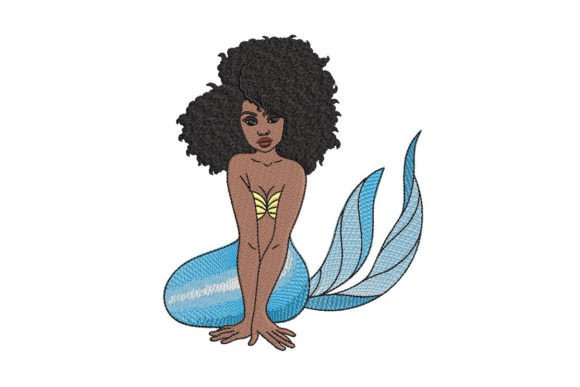
Upon opening the preview files for Mylar Mermaids, the immediate visual mood is whimsical and delicate. The designs are clearly crafted with a specific aesthetic in mind: they are intended to capture the shimmer and iridescence often associated with Mylar materials, even when stitched in traditional thread. For those of us who specialize in nursery decor or children's apparel, this "sparkle" factor is essential. The silhouettes are compact, suggesting they are perfect for smaller hoop sizes, which makes them versatile for various project types without requiring a massive machine bed.
The detail level appears balanced for a digital embroidery file. They do not seem overly complex, which is a significant plus for production speed. In the world of commercial embroidery, time is money. Designs that rely too heavily on intricate running stitch details can slow down stitching times and increase the risk of thread breaks. These mermaids appear to utilize a mix of satin stitch for definition and fill stitch for body, creating a sturdy yet decorative look. The "optimized for use with Mylar" description suggests that the negative space and line work might be designed to accommodate metallic or reflective threads, adding a unique texture to the finished product.
Performance in Real-World Applications
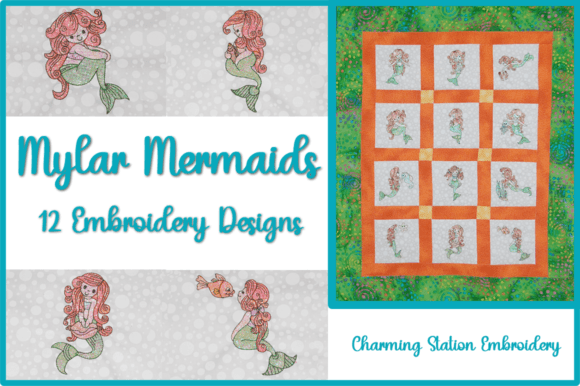
When considering Mylar Mermaids for actual customer orders, I immediately thought of several high-value applications. The description notes that the set includes 12 designs, making them ideal for a darling quilt or nap mat. This is a fantastic opportunity for creating cohesive sets. Imagine a baby blanket where each corner features a different mermaid from the set, creating a narrative arc across the fabric. This approach elevates a simple handmade product into a personalized storybook item.
Beyond quilts, these designs are adorable individually on custom apparel. A single mermaid on a white tote bag offers a clean, modern look suitable for beach-themed boutiques. On a sweatshirt, perhaps placed near the pocket or sleeve, the design adds a touch of magic without overwhelming the garment. I also see great potential for embroidered patch creation. By stitching these onto felt or twill with a backing, you can sell them as iron-on patches for denim jackets or backpacks, expanding your product line beyond direct-to-garment embroidery.
For kitchen and home goods, these mermaids would be delightful on aprons or kitchen towels. However, one must consider the fabric texture. Towels have a looped pile that can distort fine details. While Mylar Mermaids seems robust enough for this, testing is non-negotiable. The designs could also serve as the centerpiece for pillow covers or caps. On curved surfaces like caps, the density of the stitch density becomes critical. If the design is too dense, the cap may pucker; if too light, it may not show up well against the structured fabric.
Practical Considerations for Production
Before committing to a large batch of finished product items, there are several technical factors to weigh. First, always test on scrap fabric. Even if the embroidery file looks perfect on screen, the interaction between the thread colors and the base fabric can change the outcome. Since these are described as optimized for Mylar, using standard cotton thread on dark fabric might require a strong underlay to prevent the design from disappearing. Conversely, on light fabrics, the contrast should be excellent.
Hoop size is another critical variable. Although the designs are likely small, ensuring they fit comfortably within your machine's hoop without crowding the edges is vital. Crowded hoops can lead to registration errors, especially with layered details common in Fairy Tales themed art. Furthermore, the choice of stabilizer cannot be overstated. For stretchy fabrics like sweatshirts or knit caps, a tear-away or cut-away stabilizer will ensure the design retains its shape after washing. For heavy items like quilts or nap mats, a hooping method that prevents shifting during the long stitch count is necessary.
I also recommend reviewing the thread colors carefully. If you plan to use metallic threads to mimic the Mylar effect, be aware that metallic thread has less tensile strength than rayon or polyester. You may need to adjust your machine tension and speed to avoid breakage. Additionally, inspect small details after stitching. Tiny elements like fins or tails can sometimes get lost if the fill stitch pattern is too coarse or if the fabric pulls during the process.
Impact on Brand Value and Customer Trust
Incorporating a curated set like Mylar Mermaids into your Etsy shop or craft fair booth can significantly enhance your brand consistency. Customers looking for personalized gift items appreciate collections that offer variety within a unified theme. Having 12 distinct but related designs allows you to create matching sibling sets, birthday party favors, or seasonal bundles. This versatility increases the perceived value of your inventory.
From a marketing perspective, these designs lend themselves beautifully to printable mockup photography. The whimsical nature of mermaids creates an emotional connection with buyers, particularly parents and gift shoppers. High-quality photos of the tote bag design or sweatshirt embroidery in action can drive engagement and sales. When customers see a well-executed, professional-grade machine embroidery design, their trust in your craftsmanship grows. They perceive the item not just as a piece of clothing, but as a work of art.
However, remember that the quality of your final output depends on your execution. A beautiful design asset can be ruined by poor stabilization or incorrect thread choices. Always confirm file details and licensing on the Creative Fabrica product page before selling finished items. Ensure you have the correct commercial license if you plan to produce these for resale. Understanding the terms protects your business and ensures you remain compliant with the creator's guidelines.
Final Verdict for Crafters and Entrepreneurs
Is Mylar Mermaids worth downloading? For designers focusing on children's wear, nursery decor, and whimsical accessories, the answer is a resounding yes. The collection offers a solid foundation for creating unique, high-margin items. The 12-design variety provides enough flexibility to build a mini-collection without the overwhelm of managing hundreds of disparate files. Whether you are producing a custom apparel order, a boutique merchandise line, or a heartfelt handmade gift, these designs bring a touch of oceanic magic to your work.
Just remember to take the time to test, stabilize, and refine your process. The success of any creative Fabrica embroidery project lies in the hands of the maker. With careful attention to detail and a focus on quality, Mylar Mermaids can become a staple in your design library, helping you create memorable pieces that customers will cherish for years.